THE STORY BEHIND THE CARDBOARD
HOBBY HISTORY
Sports cards have always reflected their era. Printing technology, television, superstar athletes, speculation, nostalgia, and innovation all left fingerprints on the hobby.
A TIMELINE OF COLLECTING
How the hobby became the hobby.
1880s–1930s
The tobacco-card origins
Early trade and tobacco cards turned athletes into collectible images. Scarcity today was often accidental: cards were disposable advertising before they were treasured artifacts.
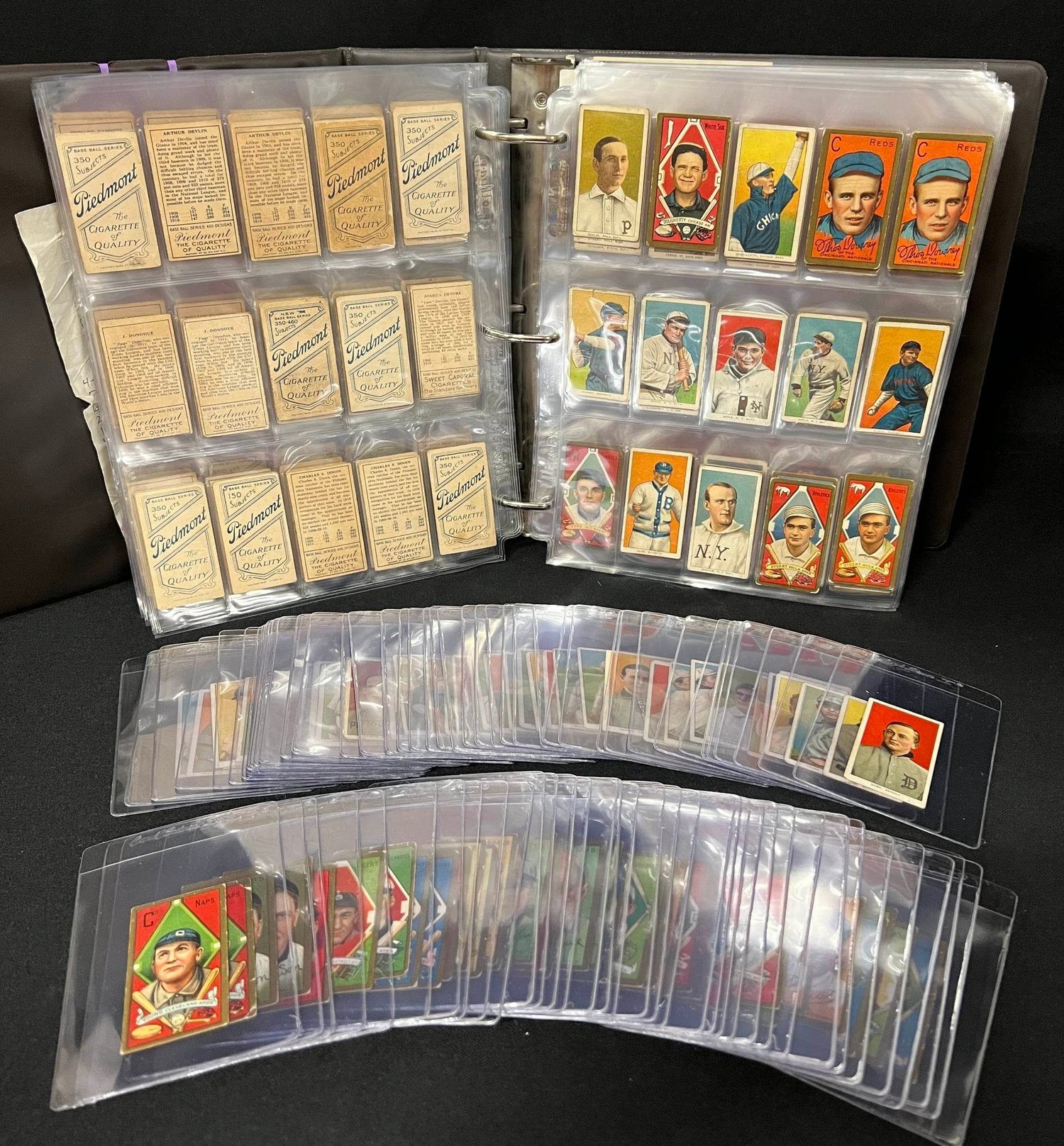
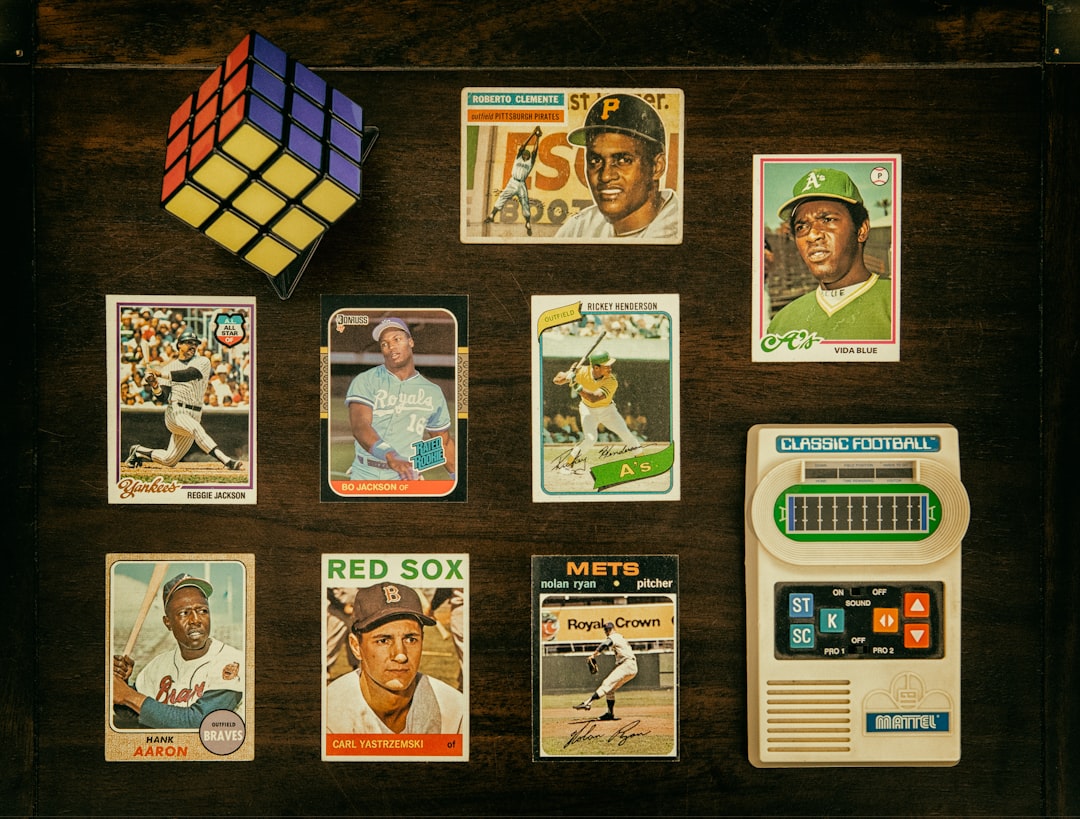
Photo: Mick Haupt / Unsplash.
1948–1969
The postwar boom
Bubble gum, color photography, and nationally distributed sets made cards a childhood ritual. Bowman and Topps helped establish the modern card format and annual-set tradition.
1970s–1980s
Collecting becomes a market
Price guides, card shops, conventions, grading consciousness, and a growing adult collector base transformed a pastime into an organized hobby economy.
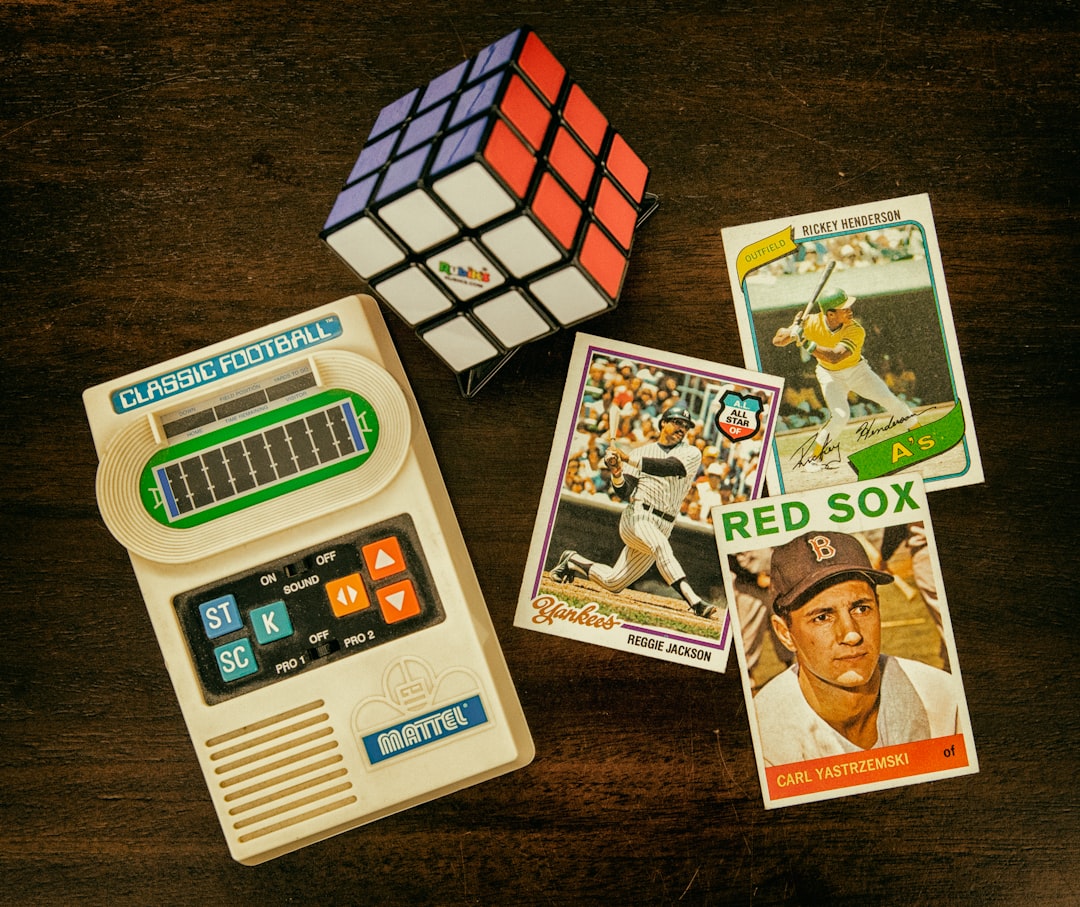
Photo: Mick Haupt / Unsplash.
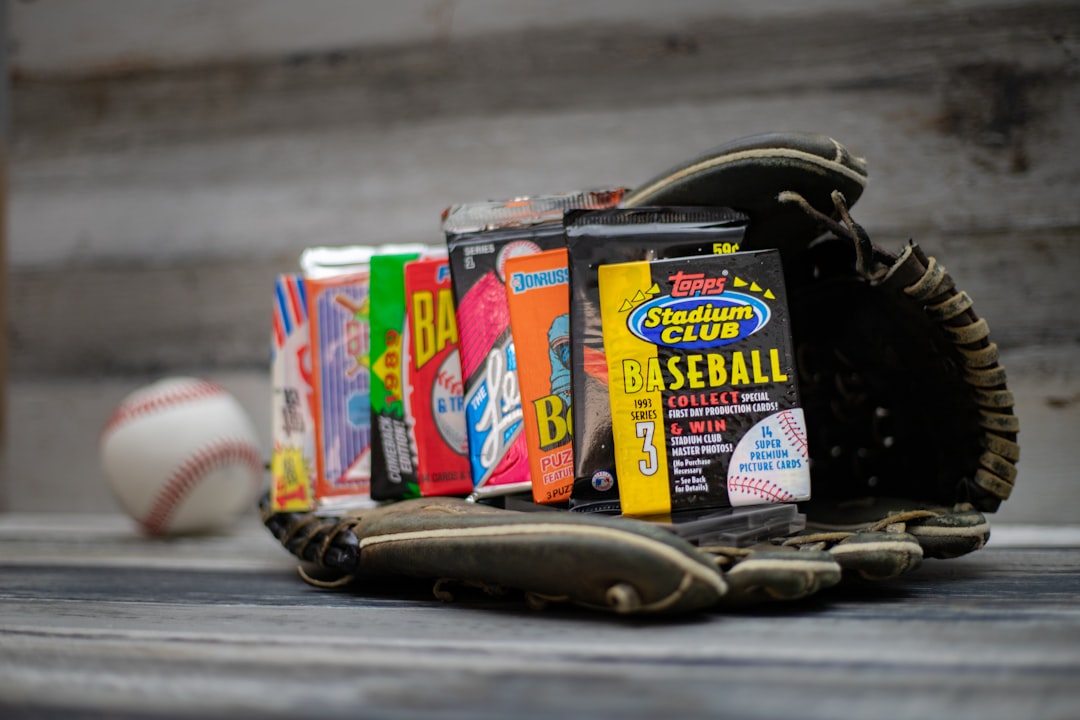
Photo: seeetz / Unsplash.
1987–1994
The junk-wax explosion
Mass production put cards everywhere. The boom brought millions into collecting, but enormous print runs changed how scarcity and long-term value were understood.
1990s
The innovation race
Premium stock, foil, refractors, serial numbering, die-cuts, inserts, and autographs made the card itself a design object. Scarcity became intentional and visible.
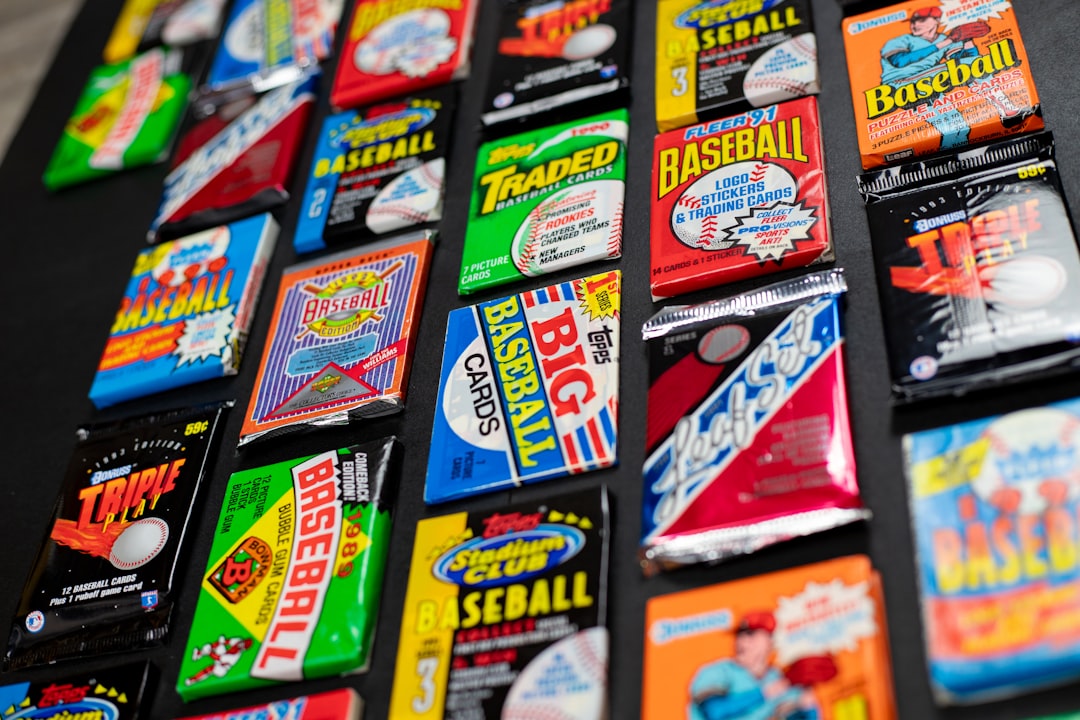
Photo: seeetz / Unsplash.
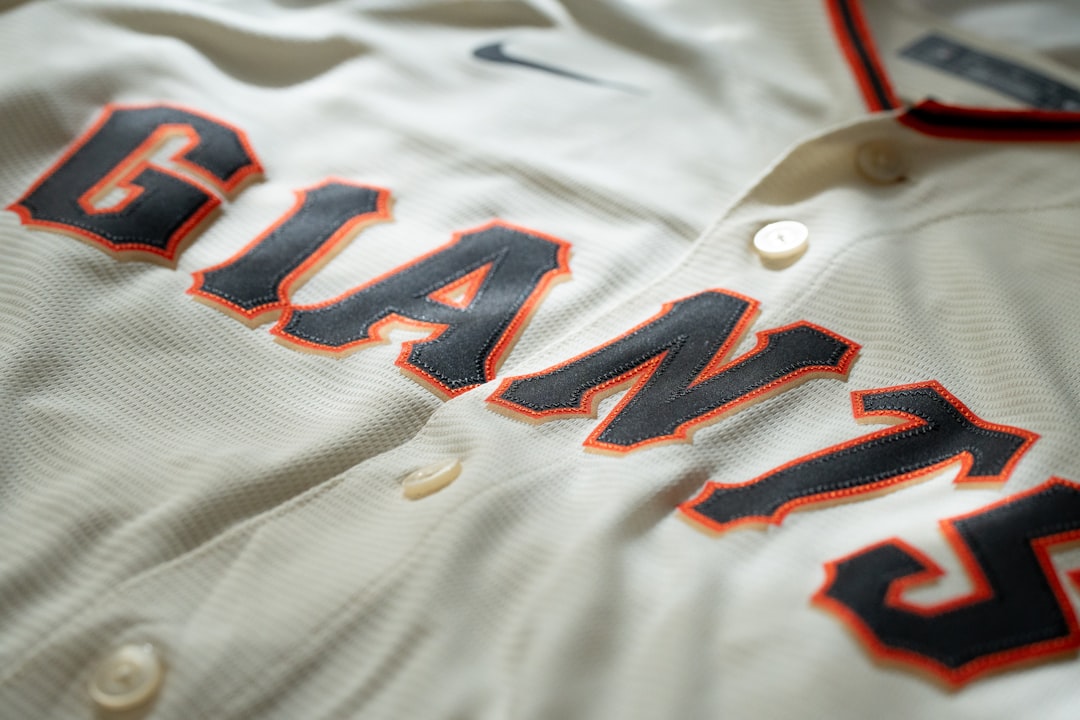
Photo: Salvador Rios / Unsplash.
1997–2000s
Game-used changes everything
Cards began carrying pieces of jerseys, bats, equipment, and other memorabilia. Collectors could suddenly own a physical fragment connected to an athlete or game.
2010s–Today
The global, digital hobby
Online marketplaces, social media, breaks, population reports, authentication, and instant access to comps turned collecting into a 24-hour global marketplace—while nostalgia kept its emotional core intact.

Photo: 2H Media / Unsplash.
The objects tell the rest.
History becomes more powerful when you can see the actual cards and memorabilia created along the way.